
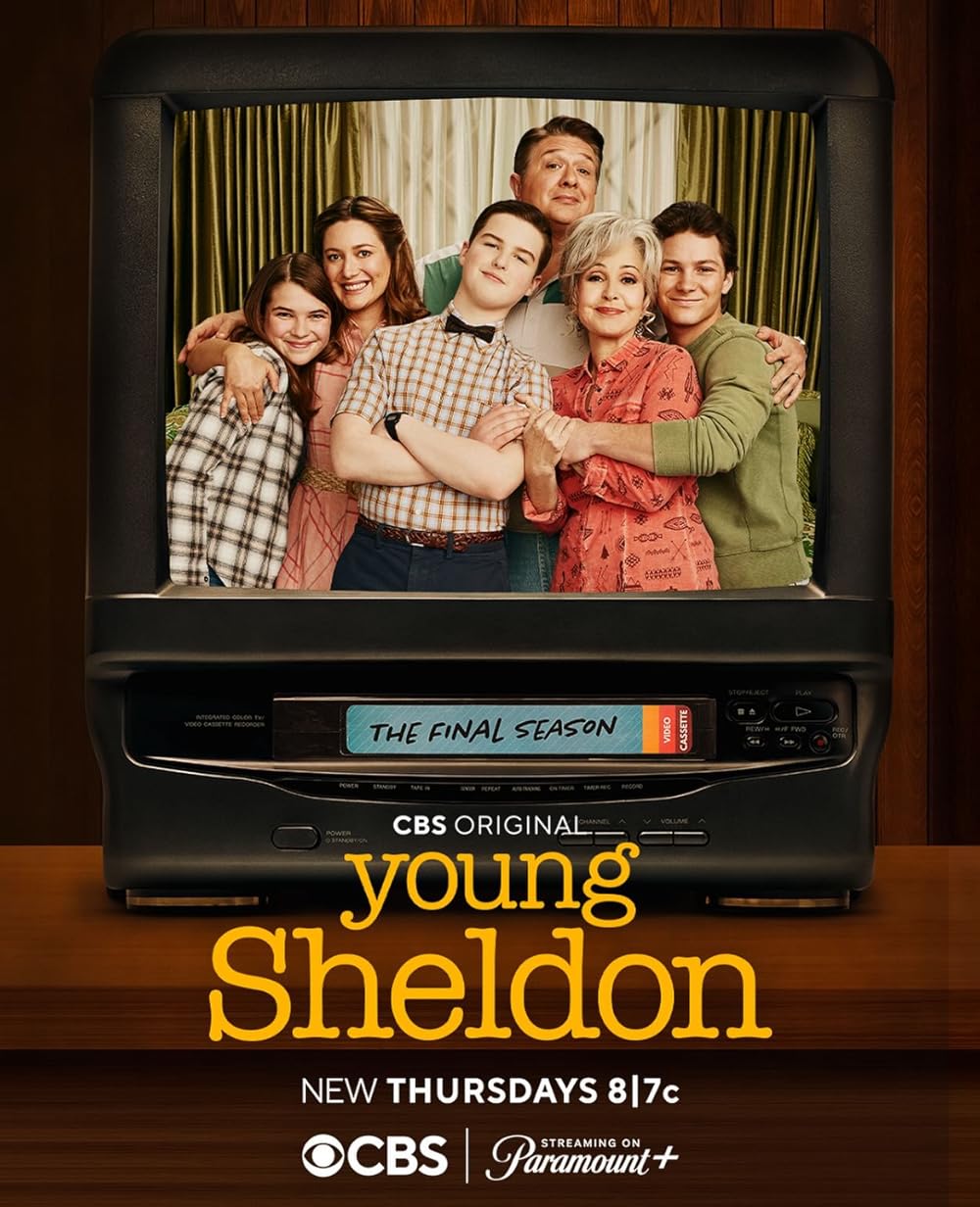
I’ve recently been watching the show Young Sheldon, and I’ve found myself really contemplating the life of the father in the show, George Cooper.
If you’ve only watched the Big Bang Theory, you’ll probably remember that George is described as a fairly unimpressive man. He was the guy who drank too much, cared more about football than his family, who cheated on his wife, and then died of a heart attack presumably because of his poor health habits.
Yet if you watch Young Sheldon, it turns out that the actual George was the complete opposite of what his family described him as.
Now what his family said isn’t completely fabricated: he did enjoy beer, coach football, and Sheldon did think he saw his father cheating in the bedroom (in actuality Sheldon’s mother was just wearing a wig and Sheldon didn’t recognize her).
But what they forgot to mention was his patience, his kindness, and how much he sacrificed for the sake of his family. How he forwent career advancements because of Mary, showed up for Sheldon when he needed him, how he was the only parent to truly see Missy, how he served as a role model for Georgie.
And then he died.
What makes his death so tragic isn’t simply the heart attack, but it’s the fact that his family seem to remember him as a completely different man than he actually was. His flaws became the only story about George years after his death.
In Mary’s memory, George became a drunken idiot since it would be easier for her to move on from his death if she remembered him as a buffoon rather than a genuinely good husband.
People like to think that if we live virtuous lives, we will be remembered by others virtuously. If you treat your partner right during a relationship then she’ll remember you fondly even if you break up. If you are kind to your friends, you’ll be liked by them even after you go your separate ways.
And to a certain extent, it’s true: I think of figures like Dr. King, Lincoln, or even Jesus by acknowledging their sacrifice and the honest lives they’ve led. And if I were to lead that type of life, I would want to be remembered the same way too.
But for people like George, life just didn’t work out that way. The people closest to him betrayed his memory by retelling only pieces of him: most notably his faults and failures. And that’s scary.
Personally, I hope to become a father one day, and of course I want for my children to look up to me and for my wife to respect me. I mean who wouldn’t? I’ll work tirelessly to provide for them, and I would expect love and appreciation in return. But what if you knew your sacrifices would never be acknowledged? Would it still be worth doing?
A good father doesn’t sacrifice for his family because he’ll receive recognition in return. He does it because it is worth doing in and of itself.
The deepest forms of love are often unseen. We all want to be remembered as heroes after we’re gone, but I think one of the truest tests of a person’s character is whether they would continue to choose to love and sacrifice even if they knew they wouldn’t be.
George never got the legacy he deserved. But he didn’t spend his life cultivating a legacy, he spent it loving his family.
So in the end, George wasn’t a good father because his family remembered him as one.
He was a good father because he always chose to be one.


